How to Make Chicken Masala: A Complete Recipe Guide with Spice Tips
A good chicken masala recipe is among the most-searched Indian dishes online, and for good reason. Rich, aromatic, and deeply spiced, chicken masala is a staple in Indian homes and restaurants alike. Whether you’re cooking it for a weeknight dinner or a special occasion, getting the spice balance right makes all the difference.
In this guide, we walk you through everything you need to know, from the key ingredients and spice ratios to step-by-step cooking instructions, variations, and tips for getting that restaurant-style depth at home.
What Is Chicken Masala?
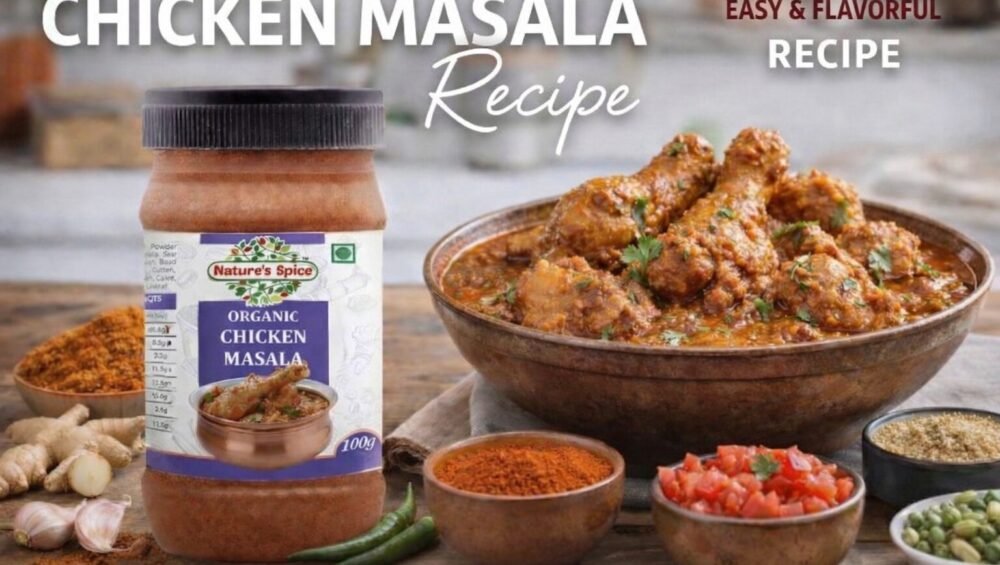
Chicken masala is a dry or semi-dry spiced Indian chicken dish made with a blend of whole and ground spices, onions, tomatoes, and fresh herbs. Unlike butter chicken or korma, which are cream-based, chicken masala has a bolder, more robust flavour profile with a thick, clinging gravy that coats every piece of chicken.
The word “masala” simply means a spice blend — and in this dish, the masala is everything. The right combination of spices at the right stage of cooking is what separates a flat, one-dimensional dish from a deeply flavoured, layered chicken masala.
Key Ingredients for Chicken Masala Recipe
For the chicken marinade:
- 750g chicken, bone-in pieces
- 1 tsp red chilli powder
- ½ tsp turmeric powder
- 1 tsp coriander powder
- 1 tbsp plain yogurt
- Salt to taste
- 1 tbsp lemon juice
For the masala base:
- 3 tbsp oil or ghee
- 2 medium onions, finely chopped
- 2 tomatoes, pureed
- 1 tbsp ginger-garlic paste
- 1½ tsp Nature’s Spice Chicken Masala powder
- ½ tsp cumin seeds
- 1 bay leaf
- 2 green cardamoms
- Salt to taste
And For Finishing:
- Fresh coriander leaves, chopped
- 1 tsp kasuri methi (dried fenugreek leaves)
- ½ tsp garam masala
Nutritional Overview of Chicken Masala
Chicken masala is not just flavourful, it’s also a balanced meal when made with lean chicken and good-quality spices.
A typical serving contains 28-32g protein, 14-18g fat, and 8-10g carbohydrates, with around 320-380 calories. Sodium levels are usually moderate, depending on the amount of salt added.
The spices used in chicken masala, like turmeric, coriander, cumin, and chilli, not only enhance taste but also support digestion and offer anti-inflammatory benefits.
Step-by-Step Chicken Masala Recipe
Step 1 — Marinate the chicken
Combine the chicken pieces with red chilli powder, turmeric, coriander powder, yogurt, lemon juice, and salt. Mix well, cover, and marinate for at least 30 minutes. Overnight marination gives the best results.
Step 2 — Build the masala base
Heat oil or ghee in a heavy-bottomed pan. Add cumin seeds, bay leaf, and cardamom. Let them splutter for 30 seconds. Add the finely chopped onions and cook on medium heat until golden brown — this takes about 12–15 minutes and is the most important step. Don’t rush it.
Step 3 — Add ginger-garlic and tomatoes
Add the ginger-garlic paste and cook for 2 minutes until the raw smell disappears. Add the pureed tomatoes and cook on medium heat until the oil separates from the masala, about 8–10 minutes.
Step 4 — Add the spices
Add Nature’s Spice Chicken Masala powder along with any remaining dry spices. Stir well and cook for 2 minutes to bloom the spices in the oil.
Step 5 — Cook the chicken
Add the marinated chicken pieces. Stir to coat well with the masala. Cook on high heat for 3–4 minutes to sear, then reduce to medium, cover, and cook for 20–25 minutes until the chicken is fully cooked through.
Step 6 — Finish and serve
Crush kasuri methi between your palms and add it in. Sprinkle garam masala. Garnish with fresh coriander. Serve hot.
7 Variations of Chicken Masala Recipe
There’s no single chicken masala recipe — every region of India has its own version. Here are 7 popular styles worth trying:
1. Dhaba-style chicken masala — cooked in a cast-iron kadai over high flame with charred onions and a heavy hand of spices. Bold, smoky, and unapologetically spicy.
2. South Indian chicken masala — uses coconut oil, curry leaves, and freshly ground coconut masala for a completely different flavour profile. Common in Kerala and Tamil Nadu.
3. Chettinad chicken masala — one of the spiciest versions, using kalpasi (stone flower), marathi mokku, and freshly ground pepper. Complex and deeply aromatic.
4. Chicken sukka masala — a dry version popular in Mangalorean and Goan cooking, finished without gravy and often served with neer dosa or rice.
5. Punjabi chicken masala — rich tomato-onion base, generous ghee, and a finish of fresh cream. The style is most commonly served in North Indian restaurants.
6. Andhra chicken masala — fiery and tangy, loaded with red chillies and tamarind. Not for the faint-hearted.
7. Kolkata-style chicken kosha — slow-cooked until the masala almost dries out, creating a dark, intensely flavoured coating on the chicken.
How to Use Nature’s Spice Chicken Masala Powder
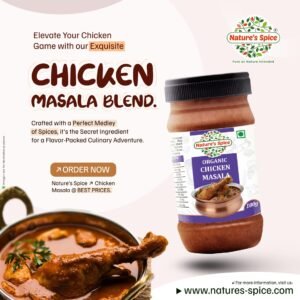
A good pre-blended chicken masala powder saves time without sacrificing depth. Nature’s Spice Chicken Masala is made from whole spices — coriander, cumin, pepper, cardamom, cloves, cinnamon, and more — ground fresh and blended in traditional proportions.
Simple ways to use it:
- Add 1½ tsp to the tomato-onion base of any chicken curry
- Use as a dry rub for grilled or tandoori-style chicken
- Mix into yogurt for a spiced marinade
- Stir into soups and broths for depth
- Add to rice dishes like pulao or biryani for an aromatic base
→ Nature’s Spice Chicken Masala is free from artificial colours, preservatives, and fillers — just pure whole spices.
Tips for the Best Chicken Masala Recipe
- Brown the onions properly. Golden-brown onions are the foundation of the masala. Undercooked onions will make the gravy taste raw and sharp.
- Marinate for longer. Even 2 hours of marination makes a visible difference in tenderness and flavour absorption.
- Use bone-in chicken. Bone-in pieces release collagen as they cook, which adds body and richness to the gravy that boneless pieces simply can’t replicate.
- Bloom your spices in oil. Always add ground spices to hot oil or a fat-rich base, as this activates the fat-soluble flavour compounds in the spices and prevents a raw, dusty taste.
- Don’t skip kasuri methi. Dried fenugreek leaves added at the end give chicken masala that distinctive restaurant-style aroma. It’s a small addition with a big impact.
- Rest before serving. Let the chicken masala sit off the heat for 5 minutes before serving, so the flavours settle and deepen noticeably.
Possible Mistakes to Avoid
- Adding too much water too early – this steams the chicken instead of browning it and dilutes the masala
- Skipping the marinade step – the yogurt and acid tenderise the meat and help spices penetrate
- Using pre-minced garlic from a jar, freshly made ginger-garlic paste makes a significant difference
- Cooking on too low a flame – chicken masala needs some heat to develop colour and depth
- Over-stirring – let the chicken sit undisturbed for a minute or two at each stage to develop a slight char
Frequently Asked Questions
1. What is the difference between chicken masala and chicken curry?
Chicken curry is a broad term for any spiced chicken dish with gravy. Chicken masala specifically refers to a dish where the spice blend (masala) is the dominant flavour element, typically with a thicker, drier gravy than a standard curry.
2. Can I make chicken masala without a pressure cooker?
Yes. Cook covered on medium heat for 25–30 minutes, checking occasionally and adding a splash of water if needed. The result is actually better; slower cooking develops more flavour.
3. How do I make chicken masala less spicy?
Reduce the red chilli powder in both the marinade and the base. You can also add a tablespoon of fresh cream or coconut milk at the end to mellow the heat without altering the spice character.
4. Can I use chicken masala powder instead of individual spices?
Yes. A good quality chicken masala powder like Nature’s Spice already contains a balanced blend of all the key spices. Use 1½–2 tsp as a direct replacement for the individual ground spices in the recipe.
5. How long does chicken masala keep?
Refrigerate in an airtight container for up to 3 days. It actually tastes better the next day as the spices continue to develop. It also freezes well for up to 2 months.
6. Is chicken masala gluten-free?
Yes, when made with pure spice blends that contain no fillers or additives. Always check the label. Nature’s Spice Chicken Masala contains no wheat or gluten.
Conclusion
A great chicken masala recipe comes down to three things: quality spices, properly browned onions, and patience. Whether you prefer a fiery Andhra version, a rich Punjabi style, or a dry Mangalorean sukka, the core technique remains the same: build the masala slowly, cook the chicken with care, and don’t rush the finish.
If you’re looking for a reliable spice blend to anchor your chicken masala, Nature’s Spice Chicken Masala powder delivers consistent, restaurant-quality depth every time.
Shop the Products
- Chicken Masala Powder | 100gm →
- Garam Masala | 100gm →
- Coriander Powder | 200gm →
- Red Chilli Powder | 200gm →
- Turmeric Powder | 250gm →
- Ginger Garlic Paste | 200gm →
- Coconut Milk | 400ml →
- Organic Cardamom Whole | 50gm →
- Organic Black Pepper Whole | 100gm →
- Organic Cumin whole (Jeera) | 100gm →
Want to get restaurant-quality results in under 20 minutes? Read our guide on how to make restaurant-style curries at home.