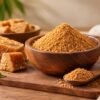

Organic Biryani Masala: Why Homemade Biryani Beats Restaurant Every Time
Organic biryani masala is the one ingredient that closes the gap between a home kitchen and a restaurant dum pot, and then goes past it. Anyone can order biryani. Cooking it at home with a clean, freshly balanced spice blend gives you something restaurants rarely manage: a pot that smells the way biryani is meant to smell, tastes the same every time, and is made exactly the way your family likes it.
Whether you cook veg biryani on a weekday, egg biryani for a quick dinner, or mutton biryani for a Sunday lunch, the masala decides how the dish turns out. This post covers why homemade biryani wins, what a good organic biryani masala brings to the pot, and complete recipes for five versions: veg, paneer, egg, chicken, and mutton.
Why Restaurant Biryani Rarely Tastes the Same Twice
Restaurant biryani can be very good on a good day. The problem is how the system works.
Cooked in bulk. Large handis are made for dozens of orders. Rice and meat often sit for hours, and portions are reheated or assembled to order. The layers lose their identity, and the aroma fades.
Colour and oil over aroma. Food colour and extra oil make biryani look rich on the plate. They also hide a thin masala underneath, which is why a heavy, orange plate can still taste flat.
Spice blends made for cost. Blends produced at scale can lean on cheaper spices, extra salt, and fillers. You taste heat and salt, but the sweet, floral, and warm notes of a proper biryani masala go missing.
No control. You cannot ask for less oil, a better cut of meat, fresher vegetables, or a lighter hand with salt. You eat what the kitchen sends.
What Organic Biryani Masala Brings to the Pot
A good biryani masala is a layered blend. It draws on sweet spices such as cinnamon and cardamom, warm ones such as clove and mace, and sharper notes from black pepper, so the aroma builds in stages as the biryani steams. An organic biryani masala keeps that blend clean: spices grown without synthetic pesticides, ground without artificial colour or flavour boosters.
Aroma that survives dum. Freshly ground whole spices hold their oils. When you seal the pot and steam it, the fragrance goes into the rice instead of disappearing.
Cleaner flavour. With no artificial colour or fillers, you taste the spices themselves. The biryani gets its colour from saffron, browned onions and the masala, not from a packet of dye.
One blend, five biryanis. The same organic biryani masala works for veg, paneer, egg, chicken and mutton biryani. You only change the quantity and the way you layer it.
Consistency. Once you find the quantity that suits your family, you can repeat it every time. That alone puts home biryani ahead of most restaurants.
Why Homemade Biryani Beats Restaurant Every Time
It is fresh and served hot. Biryani is best within minutes of opening the dum. At home, the pot goes from stove to table with the steam still rising.
You choose every ingredient. Good basmati, fresh vegetables, properly sourced meat, real ghee, and a clean organic biryani masala. Nothing in the pot is there to cut costs.
It is balanced for your family. Milder for children, more heat for the adults, less oil if that matters to you. Restaurants cannot tailor a handi to one table.
Dum is done properly. Sealed, slow and unhurried. Home cooks are not under pressure to turn tables, so the biryani gets the time it needs.
It costs less per plate. One pack of masala, rice, and your choice of protein feeds a family for what two restaurant portions cost.
The Golden Rule of Biryani Masala: Split the masala. Put half in the marinade or the base so it cooks into the gravy, and sprinkle the other half between the rice layers so it steams into every grain. Adding it all at once is the most common reason homemade biryani tastes flat.
Which Biryani Should You Make?
Veg biryani. The everyday choice. Light, fragrant, and ready in about 75 minutes.
Paneer biryani. Richer than veg, with soft paneer that takes up the masala. Suits guests and special occasions.
Egg biryani. The fastest non-veg option. Boiled eggs soak up the gravy, and the pot comes together in under an hour.
Chicken biryani. The all-rounder. Needs a 2-hour marinade and gives the classic dum-pot result.
Mutton biryani. The slowest and the most rewarding. It needs the longest marinade and the most masala.
Veg Biryani with Organic Biryani Masala

Serves 4. Prep 30 minutes, cook 45 minutes.
Ingredients
- 500 g basmati rice, soaked for 30 minutes
- 500 to 600 g mixed vegetables (potato, carrot, cauliflower, beans, peas), cut evenly
- 1 cup thick curd, whisked
- 2 tablespoons organic biryani masala, split into two equal portions
- 2 tablespoons ginger-garlic paste
- 2 onions, sliced and fried golden brown (birista)
- Handful each of chopped mint and coriander
- A pinch of saffron soaked in 3 tablespoons warm milk
- 3 tablespoons ghee, plus oil for frying
- Salt, green chillies, and lemon juice to taste
Method
- Mix the curd, ginger-garlic paste, half the masala, salt, lemon juice, and half the birista. Add the vegetables and marinate for 30 minutes.
- Boil the soaked rice in well-salted water with a bay leaf and a few cloves until 70 percent cooked, about 6 to 7 minutes. Drain at once.
- Cook the vegetables in a heavy-bottomed pot for 8 to 10 minutes until just tender. They finish cooking during dum.
- Layer half the rice over the vegetables. Sprinkle mint, coriander, birista, and half of the remaining masala. Repeat with the rest of the rice.
- Drizzle the saffron milk and ghee on top.
- Seal the pot and cook on the lowest flame for 20 minutes. Rest for 10 minutes, then fluff gently and serve with raita.
Paneer Biryani with Organic Biryani Masala
 Serves 4. Prep 30 minutes, cook 45 minutes.
Ingredients
- 500 g basmati rice, soaked for 30 minutes
- 400 g paneer, cut into thick cubes
- 1 cup thick curd, whisked
- 2 tablespoons organic biryani masala, split into two equal portions
- 2 tablespoons ginger-garlic paste
- 2 onions, fried golden brown (birista)
- Mint, coriander, saffron milk, and 3 tablespoons ghee
- Salt, green chillies, and lemon juice to taste
Method
- Shallow fry the paneer in a little ghee until the edges turn light golden. Rest the cubes in warm salted water for 10 minutes to keep them soft.
- Mix the curd, ginger-garlic paste, half the masala, salt, lemon juice, and half the birista. Marinate the paneer in it for 20 to 30 minutes, no longer, or the paneer turns firm.
- Parboil the rice to 70 percent with salt, a bay leaf, and a few cloves. Drain.
- Cook the marinated paneer in a heavy-bottomed pot for 5 to 6 minutes, until the gravy thickens.
- Layer the rice over the paneer with birista, herbs, and the remaining masala. Add saffron milk and ghee.
- Seal and cook on the lowest flame for 20 minutes. Rest for 10 minutes before opening.
Egg Biryani with Organic Biryani Masala
 Serves 4. Prep 25 minutes, cook 40 minutes.
Ingredients
- 6 to 8 eggs, hard-boiled and peeled
- 500 g basmati rice, soaked for 30 minutes
- 2 onions, fried golden brown (birista), and 2 medium tomatoes, chopped
- 1 cup thick curd, whisked
- 2 tablespoons organic biryani masala, split into two equal portions
- 2 tablespoons ginger-garlic paste
- Mint, coriander, saffron milk, 3 tablespoons ghee, and a pinch each of turmeric and red chilli powder
- Salt and green chillies to taste
Method
- Make two light slits in each egg. Fry them in a little oil with the turmeric, chilli powder, and salt for 2 minutes. Set aside.
- Cook the ginger-garlic paste and tomatoes for 4 to 5 minutes. Lower the heat, add the curd, half the masala, and half the birista, and cook for 5 minutes until thick. Fold in the eggs.
- Parboil the rice to 70 percent with salt, a bay leaf, and a few cloves. Drain.
- Layer the rice over the eggs with birista, herbs, and the remaining masala. Add saffron milk and ghee.
- Seal and cook on the lowest flame for 20 minutes. Rest for 10 minutes, then mix gently so the eggs stay whole.
Chicken Biryani with Organic Biryani Masala
 Serves 4. Marinate for at least 2 hours, then cook for 60 minutes.
Ingredients
- 1 kg bone-in chicken, cut into medium pieces
- 500 g basmati rice, soaked for 30 minutes
- 1 cup thick curd, whisked
- 2 to 2.5 tablespoons organic biryani masala, split into two portions
- 2 tablespoons ginger-garlic paste
- 3 onions, fried golden brown (birista)
- Mint, coriander, saffron milk, and 3 tablespoons ghee
- Salt, green chillies, and lemon juice to taste
Method
- Marinate the chicken with curd, ginger-garlic paste, half the masala, salt, lemon juice, half the birista, mint, and coriander. Refrigerate for at least 2 hours, overnight if you can.
- Parboil the rice to 70 percent with salt, a bay leaf, and a few cloves. Drain.
- Cook the chicken in a heavy-bottomed pot on medium heat for 12 to 15 minutes, until it is about 70 percent done and the gravy is thick.
- Layer half the rice over the chicken with birista, herbs, and half of the remaining masala. Repeat with the rest of the rice. Add saffron milk and ghee.
- Seal tightly. Cook on high for 3 minutes, then on the lowest flame for 25 minutes. Rest for 10 minutes, then mix gently from the sides.
Mutton Biryani with Organic Biryani Masala
 Serves 4 to 5. Marinate for at least 4 hours, then cook for 90 minutes.
Ingredients
- 1 kg bone-in mutton, cut into medium pieces
- 500 g basmati rice, soaked for 30 minutes
- 1 cup thick curd, whisked
- 2.5 to 3 tablespoons organic biryani masala, split into two portions
- 3 tablespoons ginger-garlic paste
- 3 onions, fried golden brown (birista)
- Mint, coriander, saffron milk, and 4 tablespoons ghee
- Salt, green chillies and lemon juice to taste
Method
- Marinate the mutton with curd, ginger-garlic paste, half the masala, salt, lemon juice, half the birista, mint, and coriander. Refrigerate for at least 4 hours, overnight if you can.
- Cook the mutton in a heavy-bottomed pot on medium-low heat for 35 to 40 minutes, until about 80 percent tender with a thick gravy. In a pressure cooker, 3 to 4 whistles do the same job.
- Parboil the rice to 70 percent with salt, a bay leaf, and a few cloves. Drain.
- Layer half the rice over the mutton with birista, herbs, and half of the remaining masala. Repeat. Add saffron milk and ghee.
- Seal tightly. Cook on high for 3 minutes, then on the lowest flame for 30 minutes. Rest for 10 minutes before opening.
How Much Organic Biryani Masala to Use
Starting point. Use about 2 tablespoons for every 500 g of rice. This suits most families.
By type. Veg, paneer, and egg biryani need about 2 tablespoons. Chicken needs 2 to 2.5 tablespoons. Mutton needs 2.5 to 3 tablespoons, because the meat is heavier and cooks longer.
Milder biryani. Reduce to 1.5 tablespoons and let the saffron, mint, and birista lead.
Bolder biryani. Add green chillies for heat rather than more masala.
Storage. Keep the pack tightly closed in a cool, dry place and use a dry spoon every time. A fresh, well-stored masala keeps its aroma far longer.
Tips for Restaurant-Style Dum at Home
- Use a heavy-bottomed pot so the base does not catch and burn.
- Stop boiling the rice at 70 percent. It finishes cooking in the steam.
- Fry the onions slowly until golden. Burnt onions make the whole pot bitter.
- Seal the lid with dough or foil so no steam escapes.
- Rest the biryani for 10 minutes before opening so the grains settle.
- Layer with a light hand. Biryani should be fluffy, never packed.
FAQs About Organic Biryani Masala
Q1. Can I use the same organic biryani masala for veg, paneer, egg, chicken and mutton biryani?
Yes. The blend works for all five. Use more for mutton and chicken, which carry more flavour and need a longer marinade, and keep veg, paneer, and egg a little lighter.
Q2. How much biryani masala do I need for 1 kg of chicken or mutton?
About 2 to 2.5 tablespoons for chicken and 2.5 to 3 for mutton, split between the marinade and the layers.
Q3. Why does my homemade biryani taste flat?
The usual causes are adding all the masala at once, overcooking the rice before dum, a lid that does not seal, or an old, stale spice blend.
Q4. How do I stop paneer from turning hard?
Soak the fried paneer in warm salted water and marinate it for no more than 30 minutes.
Q5. Which biryani is easiest for beginners?
Veg and egg biryani. Neither needs a long marinade, and both are ready in under an hour.
Q6. Why choose organic biryani masala over a regular one?
It keeps the blend clean, with no artificial colour, and gives you control over the oil, salt, and ingredients in your pot.
Make Your Next Biryani at Home
Restaurants will always have convenience on their side. Homemade biryani has everything else: fresher ingredients, a balanced pot, the right amount of oil and salt, and a masala you actually trust. Start with a good organic biryani masala, split it between the marinade and the layers, and give the pot its full dum. Whether it is veg, paneer, egg, chicken, or mutton, it will beat most plates you can order.
Shop Organic Biryani Masala → natures-spice.com
Pair it with
- Birista Crispy Fried Onions for instant, even layering
- Organic Ginger Garlic Paste for the marinade
- Organic Whole Cardamom for the rice water