Ginger Powder Benefits: What This Everyday Spice Actually Does
Ginger has been a kitchen and wellness staple across Indian households for centuries — but ground ginger powder (saunth) offers something fresh ginger can’t always match: concentrated potency, a longer shelf life, and instant usability in tea, cooking, and home remedies. If you’ve been searching for what ginger powder actually does for the body and how to use it right, this guide covers both.
A Quick Look at Ginger Powder
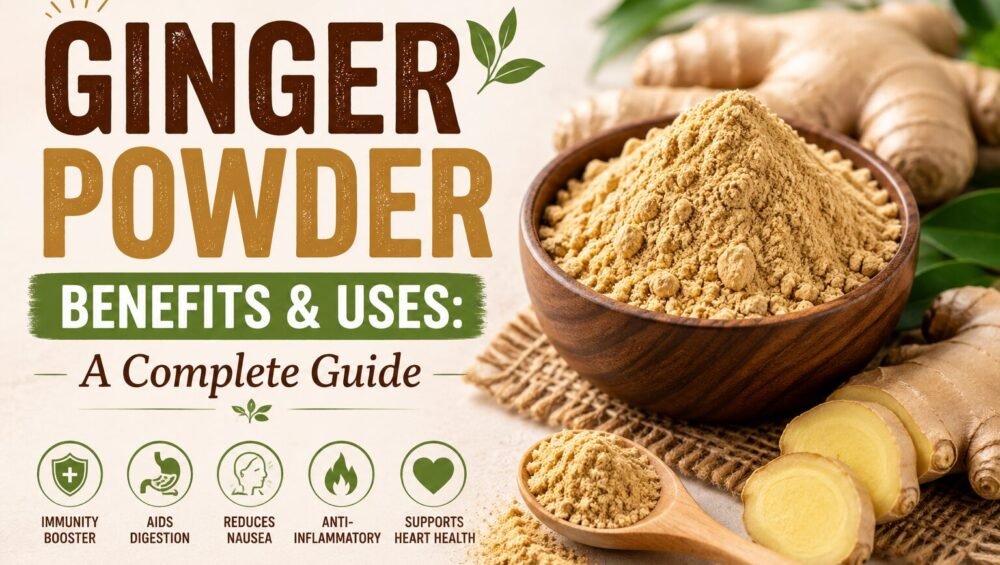
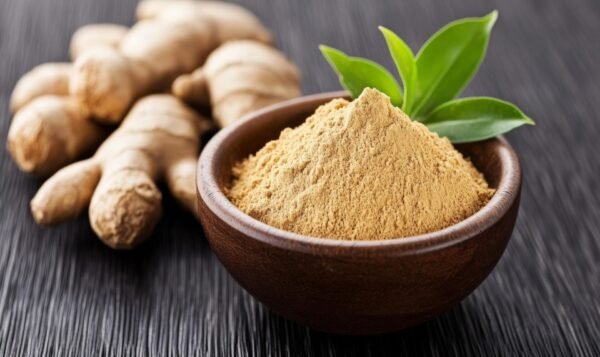
Ginger powder is made by drying fresh ginger root and grinding it into a fine, pale-yellow powder. In Ayurveda, it’s known as saunth and is considered one of the most versatile spices in traditional pharmacy — used as a food, a remedy, and a warming agent all at once. The drying process actually concentrates certain compounds, including gingerol and its more stable derivative, shogaol, which is part of why it can feel more intense than fresh ginger, spoonful for spoonful.
Unlike fresh ginger, which needs peeling, grating, and quick use before it dries out, ginger powder is shelf-stable, easy to portion precisely, and ready to use the moment you open the jar. This makes it a practical staple for anyone who wants ginger’s benefits without the daily prep.
Historically, dried ginger has traveled well beyond the Indian subcontinent. It was one of the earliest spices carried along ancient trade routes between Asia, the Middle East, and Europe, prized precisely because it kept its potency for long sea voyages in a way fresh root couldn’t. That same shelf stability is why saunth has held a permanent place in Indian kitchen shelves and in Ayurvedic dispensaries alike, long before refrigeration made fresh ginger easy to store.
Nutritional Profile
Ginger powder is naturally rich in manganese, which supports bone health and metabolism, along with smaller amounts of vitamin B6, potassium, and magnesium. It also contains dietary fiber and antioxidant compounds called gingerols and shogaols, which are largely responsible for its warming, digestive, and anti-inflammatory effects. Because it’s used in small quantities as a spice rather than a food group, its role is best understood as a functional addition to the diet rather than a primary nutrient source.
It’s worth noting that drying concentrates these compounds rather than depleting them. A teaspoon of ginger powder delivers a more concentrated dose of gingerol-related compounds than an equivalent teaspoon of fresh, grated ginger because the drying process removes water and concentrates the active compounds. For this reason, traditional remedies often recommend using smaller amounts of dried ginger than fresh ginger root.
12 Ginger Powder Benefits That Make It a Must-Have in Every Kitchen
1. Supports Digestion
One of the most well-known ginger powder benefits is its ability to support healthy digestion. It stimulates digestive enzymes, helping ease bloating, gas, and sluggish digestion after heavy meals. A pinch mixed with warm water after lunch is a traditional Indian remedy for digestive discomfort. Some households also add the powder to buttermilk or dal tempering to make rich meals easier to digest.
2. Eases Nausea and Motion Sickness
Ginger powder is widely used to calm nausea caused by travel, morning sickness, or general stomach discomfort. Its active compound, gingerol, has been extensively studied for its ability to soothe an upset stomach, making ginger tea and ginger candies popular travel companions.
3. Helps Manage Inflammation
Ginger powder contains natural anti-inflammatory compounds that may help reduce joint discomfort and body aches, especially during seasonal weather changes. In many homes, ginger-infused oil or a warm ginger paste is traditionally applied to relieve monsoon-related joint stiffness.
4. Boosts Immunity During Monsoon and Winter
The powder is commonly included in kadhas and herbal teas because of its warming and antimicrobial properties. It is often combined with black pepper, tulsi, and cinnamon to create a traditional immunity-supporting drink during the cold and flu season.
5. Supports Respiratory Health
The natural warming properties of ginger powder help loosen congestion and soothe a sore throat. It is a key ingredient in Kashmiri Kahwa and many traditional herbal teas enjoyed during monsoon and winter. A mixture of ginger and honey is also a popular home remedy for throat irritation.
6. Aids in Weight Management
It may support healthy metabolism and help reduce bloating, making it a useful addition to a balanced diet. While it is not a weight-loss solution on its own, it is commonly added to warm water with lemon as part of a healthy morning routine.
7. Convenient and Long-Lasting
Unlike fresh ginger, ginger powder has a longer shelf life and does not require refrigeration. It blends easily into teas, curries, soups, baked goods, and beverages without the need for peeling or grating, making it a practical pantry staple.
8. Supports Heart Health
Regular consumption of ginger powder as part of a balanced diet may support healthy circulation and help maintain normal cholesterol levels. While it should not replace medical treatment, it can be a valuable addition to an overall heart-friendly lifestyle.
9. May Help Ease Menstrual Discomfort
Warm ginger tea made with ginger powder is a traditional home remedy for menstrual cramps. Its natural anti-inflammatory and muscle-relaxing properties may help reduce discomfort when consumed regularly during menstruation.
10. Freshens Breath and Supports Oral Health
Ginger powder has natural antibacterial properties that may help support oral hygiene and freshen breath. Traditionally, ginger-based preparations have been used to promote better oral health while naturally reducing unpleasant odors.
11. May Support Healthy Circulation in Cold Weather
Ginger powder’s warming nature makes it a popular ingredient during winter. It is traditionally consumed to help improve circulation and keep the body warm, especially in regions that experience colder temperatures.
12. Traditionally Used to Ease Headaches
Many people prepare ginger powder as a warm tea or mix it with water to make a paste for applying to the temples as part of traditional home remedies for tension-related headaches. Although many people find these remedies comforting, you should not use them as a substitute for professional medical advice or treatment.
The Golden Rule
Golden Rule: Ginger powder is potent — start small. ¼ to ½ teaspoon a day is enough for most adults. More isn’t more effective; it can just mean more heat on an empty stomach.
How to Use Ginger Powder
• In Tea or Kadha: Add ¼ teaspoon to boiling water with tulsi, black pepper, and a touch of jaggery for a warming immunity drink.
• Cooking: Use it in curries, dals, and marinades where fresh ginger isn’t practical — it blends in smoothly without texture.
• Baking: A staple in gingerbread, cookies, and spiced cakes for warmth and depth of flavor.
• As a Remedy: Mix with warm water and honey for digestion, or make a paste with water for topical use on minor joint discomfort.
• Smoothies: A small pinch adds a gentle kick to fruit or vegetable smoothies without overpowering them.
• Face or Hair mask ingredient: Mixed with honey or yogurt, ginger powder is sometimes used in DIY skincare for its warming, circulation-boosting properties, though a patch test is recommended first since it can be intense on sensitive skin.
• Pickling and Spice Blends: Ginger powder is a common ingredient in garam masala, chai masala, and pickling spice mixes, adding depth without the moisture fresh ginger would bring.
• Soups and Broths: A pinch stirred into vegetable or lentil soup toward the end of cooking adds warmth without altering the texture, which is especially useful in cold-weather comfort food.
• Festive Sweets: Ginger powder shows up in traditional winter sweets and laddus across India, often paired with jaggery, dry fruits, and ghee for both flavor and its warming properties.
Ginger Powder vs. Fresh Ginger: Which Should You Use?
Both forms come from the same root, but they behave differently in the kitchen and in remedies. Fresh ginger has a sharper, juicier bite and works well in dishes where texture matters, like stir-fries or fresh chutneys. Ginger powder, on the other hand, has a deeper, more concentrated warmth, making it better suited to baking, spice blends, and teas where you want the flavor to diffuse evenly without any fibrous texture.
From a practical standpoint, ginger powder wins out in terms of convenience and shelf life. It doesn’t need refrigeration, doesn’t go moldy, and a single jar can last for months if stored properly. If you cook with ginger often but don’t want the hassle of buying and prepping fresh root every few days, keeping a good-quality ginger powder on hand is the simpler long-term solution.
There’s also a cost and waste consideration. Fresh ginger root often gets used partially, with the rest drying out or spoiling in the fridge before it’s finished. A jar of ginger powder, portioned by the teaspoon, tends to see far less waste over time — useful for anyone who wants the benefits of ginger without buying a fresh piece every week.
What Good Ginger Powder Looks Like
Quality varies a fair bit between batches, and it shows up in both flavor and effect. A well-made ginger powder tends to have a warm, pale-yellow to light-brown color and a strong, pungent aroma — a dull, greyish powder with a faint smell usually signals age or poor processing. Ingredient lists are worth a glance too: pure ginger powder shouldn’t need fillers, anti-caking agents, or added starch. And texture matters more than people expect — a fine, even grind blends smoothly into liquids and batters, while a coarse or inconsistent grind tends to leave gritty residue behind.
Sourcing matters as much as processing. Ginger grown in mineral-rich soil and harvested at the right maturity tends to carry a naturally higher oil content, which is part of what gives good ginger powder its sharper aroma and stronger effect compared to mass-market alternatives grown and dried purely for volume.
Safety and Precautions
Ginger powder is generally safe for most people when used in normal culinary quantities. However, it is important to keep a few precautions in mind. If you take blood-thinning medication, consult your doctor before consuming large amounts regularly. Ginger has mild blood-thinning properties that may increase the effects of these medications. People with gallstones should also seek medical advice, as ginger may stimulate bile production. Like any concentrated spice, ginger works best in moderation. Following the recommended daily amount is the safest approach for long-term use.
Avoid taking large amounts of the powder on an empty stomach. Its warming, pungent nature may cause mild acidity or a burning sensation in people with sensitive digestion. Instead, take it with food, warm water, or a natural sweetener such as honey or jaggery. Doing so usually makes it gentler on the stomach.
Frequently Asked Questions
Q1. Can I substitute ginger powder for fresh ginger in recipes?
Yes, generally ¼ teaspoon of ginger powder replaces about 1 tablespoon of fresh grated ginger, though the flavor profile is slightly more concentrated and less sharp.
Q2. Is ginger powder good for weight loss?
It can support digestion and metabolism as part of a balanced diet, but it isn’t a standalone weight-loss solution.
Q3. Can I take ginger powder daily?
Yes, in small quantities (¼–½ teaspoon), ginger powder is safe for most people as part of daily tea or food.
Q4. Does ginger powder help with cold and cough?
Yes, its warming and antimicrobial properties make it effective in soothing throat irritation and congestion, especially in kadha form.
Q5. Is ginger powder safe during pregnancy?
Traditional home remedies often use small amounts of ginger to help ease morning sickness. However, pregnant women should consult their doctor before using ginger regularly.
Q6. How should I store ginger powder?
Keep it in an airtight container, away from moisture and direct sunlight, to preserve potency and prevent clumping.
Q7. What is the difference between ginger powder and dry ginger (saunth)?
They’re essentially the same — saunth is the traditional name for dried, ground ginger root used in Ayurveda and Indian cooking.
Q8. Can children have ginger powder?
Many families use small amounts of ginger in traditional home remedies for children. However, you should consult a pediatrician before giving ginger regularly, especially to younger children.
Q9. Does ginger powder lose potency over time?
Yes, like most ground spices, it gradually loses aroma and strength after long storage, which is why buying smaller quantities more frequently often gives a fresher, more potent result than a large jar that sits for months.
A Note on Quality
Because ginger powder’s benefits depend heavily on how producers source and process it, choose your product carefully. Manufacturers that use sun-dried, organically grown ginger root and grind it without fillers or anti-caking agents preserve more of the root’s natural oils and pungency than those using heavily processed methods. As a result, you get a powder that delivers better flavor and quality instead of one that mainly adds color and heat.
Nature’s Spice makes its ginger powder this way: sun-dried root, ground to preserve its natural oils, with nothing added.
If you’re building out a spice cabinet with function in mind, ginger powder pairs naturally with a few others worth knowing about:
→ Turmeric Powder → Ginger Garlic Paste → Kashmiri Kahwa Tea → How to Store Spices for Maximum Freshness