
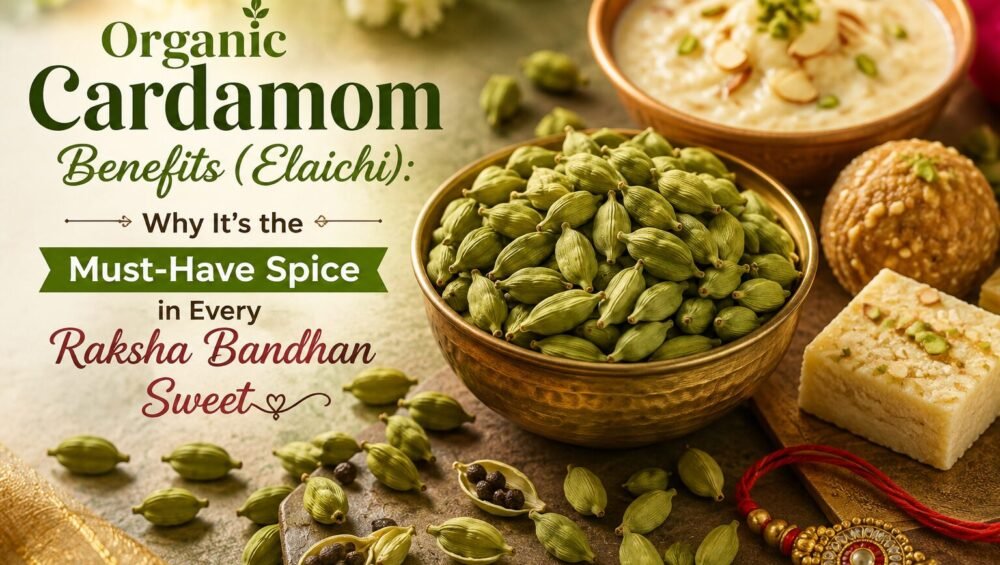
Walk into any Indian kitchen in the days leading up to Raksha Bandhan, and one aroma cuts through every other smell in the house: cardamom. It drifts out of simmering milk for kheer, settles into ladoo dough, and perfumes the ghee used for the season’s first batch of barfi. Elaichi is not a background note in Indian sweets; it is the flavor that makes them taste like home.
But cardamom’s place in the Raksha Bandhan kitchen is not just about tradition or taste. This small green pod, often called the “Queen of Spices,” carries a genuine list of health benefits that make it worth reaching for year-round, not only during festival season. Choosing organic cardamom for your festive cooking means you get that benefit without the pesticide residue, fillers, or artificial bleaching that lower-grade cardamom often carries.
This post covers what Organic Cardamom is, the benefits it offers, why it belongs in every Raksha Bandhan sweet, and how to use it correctly at home.
What Are the Benefits of Organic Cardamom (Elaichi)
Cardamom is the dried seed pod of a plant in the ginger family, native to the forests of the Western Ghats in South India. The variety most commonly used in Indian cooking is green cardamom (Elettaria cardamomum), prized for its sweet, floral, slightly citrusy flavor. Black cardamom, a different species with a smokier profile, is used mainly in savory dishes and is not the elaichi used in desserts.
Organic cardamom grows without synthetic pesticides, chemical fertilizers, or fumigants. Traditional harvesting and drying help preserve its essential oils.
Cardamom’s flavor and health properties come from volatile compounds in its seeds, including cineole, terpinyl acetate, and limonene. Chemically treated or poorly stored cardamom can quickly lose these oils. This is why organic, whole-pod cardamom often delivers better flavor and benefits than pre-ground varieties.
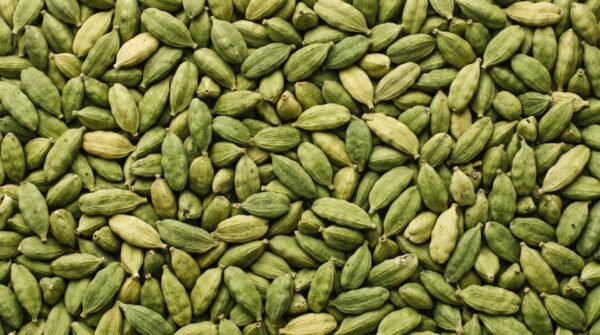
Supports Digestion:
Cardamom has supported digestion in Ayurvedic and Unani medicine for centuries. Its essential oils stimulate digestive enzymes and relax the gastrointestinal tract. That is why many people chew cardamom after meals. Add a pod or two to rice, dal, or milk-based sweets to make rich, ghee-heavy foods easier to digest.
Freshens Breath and Supports Oral Health:
Cardamom’s antibacterial properties help fight the bacteria responsible for bad breath and certain oral infections. This is why it is a classic ingredient in mukhwas (after-meal digestive mixes) served at Indian weddings and festivals. Chewing on a whole pod after a meal not only freshens breath naturally but also helps reduce the bacterial load in the mouth without relying on artificial mints.
Rich in Antioxidants:
Organic cardamom contains a meaningful concentration of antioxidant compounds, including flavonoids and phenolic acids.
May Support Heart Health:
Several studies on cardamom powder have found modest but consistent improvements in blood pressure readings among participants who consumed it regularly over several weeks. Researchers point to cardamom’s diuretic effect and its antioxidant content as likely contributors. While cardamom is not a replacement for medical treatment, it is a reasonable, food-based addition to a heart-conscious diet, particularly given how often it already appears in Indian cooking.
May Help Balance Blood Sugar:
Some research suggests cardamom helps improve insulin sensitivity and reduce markers of oxidative stress in people with blood sugar concerns. This makes it a smart spice to lean on during festivals, when sugar-heavy sweets are unavoidable. Cardamom will not offset a sugar-laden diet, but including it in your recipes is a small, well-regarded way to make traditional sweets a little gentler on the body.
Eases Respiratory Discomfort:
Cardamom has long been used as a home remedy for coughs, congestion, and mild asthma symptoms. Its essential oils have a mild bronchodilator effect and can help loosen mucus, which is why cardamom often appears in kadha (herbal decoctions) during monsoon and the cooler months that follow, right around Raksha Bandhan season.
Supports Mood and Reduces Stress:
The aroma of cardamom itself has a calming, uplifting effect for many people, which is one reason it is used in aromatherapy and traditional wellness practices. Some studies on cardamom essential oil suggest it can help lower stress markers and improve mood when inhaled or consumed regularly. For a household preparing for a festival, a cup of cardamom-spiced chai in the middle of the sweet-making marathon is as much about calm as it is about taste.
|
Why Cardamom Is the Must-Have Spice in Every Raksha Bandhan Sweet
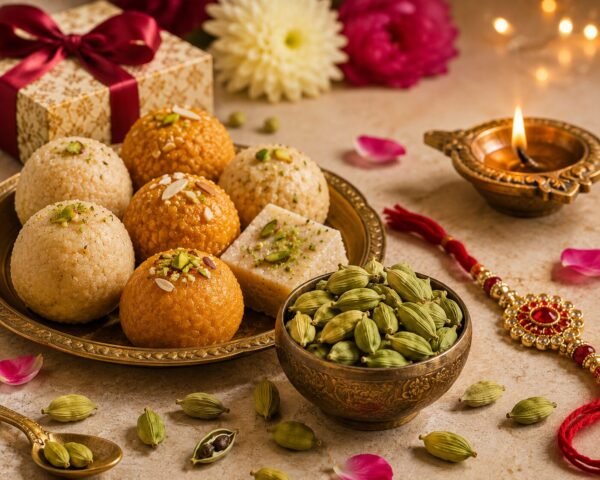
Raksha Bandhan sweets are built around a small set of ingredients used again and again: milk, ghee, sugar, nuts, and cardamom. Take cardamom out of a kheer, a besan ladoo, or a batch of gulab jamun, and something is immediately missing, even if you cannot name it. Here is why this one spice carries so much weight in the festival kitchen.
It Balances Richness:
Raksha Bandhan sweets lean heavily on ghee, khoya, and sugar, all of which can taste flat or overly heavy on their own. Cardamom’s floral, slightly sharp aroma cuts through that richness and keeps every bite from feeling one-note. This is the same principle bakers use with vanilla in Western desserts, except cardamom does more work because its flavor is stronger and more complex.
It Is Used Across Nearly Every Sweet on the Table:
Kheer, seviyan, besan and motichoor ladoo, barfi, halwa, and shrikhand all call for cardamom, usually as freshly crushed seeds or a pinch of fine elaichi powder stirred into the base. Few other spices show up across this many different textures and cooking methods, from slow-simmered milk to fried dough to steamed batter.
It Carries Festive Meaning:
In many Indian households, the smell of cardamom in the kitchen is directly tied to the memory of festivals. Sisters preparing sweets for their brothers on Raksha Bandhan often use the same recipes and the same spice measurements passed down from mothers and grandmothers, and cardamom is almost always part of that inherited formula. Using organic, whole cardamom rather than a commercial blend keeps that flavor closer to what those original recipes intended.
It Helps Offset a Sugar-Heavy Day:
Festival sweets mean concentrated sugar intake for most families over a short stretch of days. Cardamom’s mild digestive and blood-sugar-supportive properties, discussed above, make it a genuinely useful ingredient to lean on rather than just a flavor choice. A generous hand with cardamom and a lighter hand with sugar is a simple way to make traditional recipes a bit more forgiving on the body.
It Elevates Gifting:
Raksha Bandhan is as much about gifting sweets as eating them. A box of ladoo or barfi made with organic, whole cardamom pods has a fresher, more fragrant flavor than sweets made with generic ground spice mixes. The aroma is noticeable as soon as the box is opened. For homemade sweets or gifts, using quality cardamom is an easy way to improve the final result.
How to Use Organic Cardamom in Festival Cooking
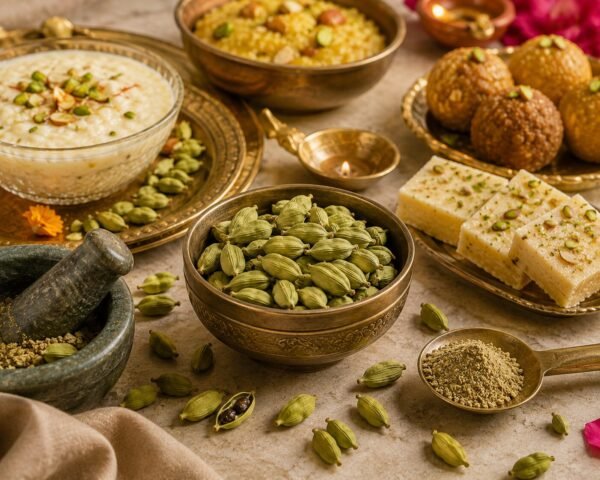
- In milk-based sweets: Add 2 to 3 lightly crushed pods to milk while it simmers for kheer, rabri, or basundi. Remove the pods before serving, or grind the seeds fine and stir them in for a stronger flavor throughout.
- In ladoo and barfi: Crush the seeds from 3 to 4 pods into a fine powder and fold it into besan, motichoor, or coconut ladoo mixtures just before shaping.
- In chai and festive drinks: Add a crushed pod to tea while it boils for a naturally fragrant, mildly digestive cup, perfect for sipping between rounds of cooking.
- In ghee-based frying: Drop a whole pod into the ghee used for frying gujiya or other festive snacks; the aroma infuses into the oil and carries through the finished sweet.
- As mukhwas: Offer a small bowl of whole cardamom pods alongside fennel seeds and other digestives at the end of the Raksha Bandhan meal.
Frequently Asked Questions
Q1. Is organic cardamom better than regular cardamom?
Farmers grow organic cardamom without synthetic pesticides or chemical fertilizers. This reduces chemical residues and can preserve more of the pod’s natural aroma and essential oils. Careful drying also helps retain its flavor and freshness.
Q2. How much cardamom is safe to consume daily?
For most healthy adults, 2 to 3 pods a day, whether whole, crushed into food, or steeped in tea, is a reasonable amount. Anyone with a specific health condition or on medication should check with a doctor before using cardamom regularly for its health properties.
Q3. Can cardamom help with weight management during festival season?
Cardamom is not a weight-loss ingredient on its own, but its digestive support and mild metabolism-related benefits can make it a helpful addition to a balanced diet during a period of heavier, sweet-focused eating.
Q4. What is the difference between green and black cardamom?
Green cardamom is sweeter, more floral, and used in desserts, chai, and sweet dishes, while black cardamom has a smoky, intense flavor and is used in savory dishes like biryani and curries. Raksha Bandhan sweets almost always call for green cardamom.
Q5. How should whole cardamom pods be stored?
Keep whole pods in an airtight container, away from direct sunlight and heat. Whole pods stay fragrant for up to a year when stored properly, while ground cardamom loses potency within a few weeks.
You May Also Like
Pair your festival sweets with Nature’s Spice Organic Ginger Powder for extra warmth in your kheer,
or brew a cup of Nature’s Spice Kashmiri Kahwa Tea while your ladoo cool. Explore the full range of organic spices at natures-spice.com.


1 Comment
[…] Organic Cardamom Benefits (Elaichi): Why It’s the Must-Have Spice in Every Raksha Bandhan Swee… […]